















































Focus Groups & Depth Interviews
Explore audience needs, perceptions and behaviours in rich qualitative detail.
Brandspeak provides more than market research services – we're your strategic growth partner.
We offer comprehensive expertise across an array of market research methods.

Brandspeak delivers B2C and B2B qualitative research in the UK and globally, uncovering how and why people think, feel and behave the way they do.

Brandspeak delivers quantitative research that provides the robust, data-driven insight that B2C and B2B organisations worldwide use.

Brandspeak delivers immersive ethnographic research that reveals how and why consumers interact with products, services and experiences in real-world environments.
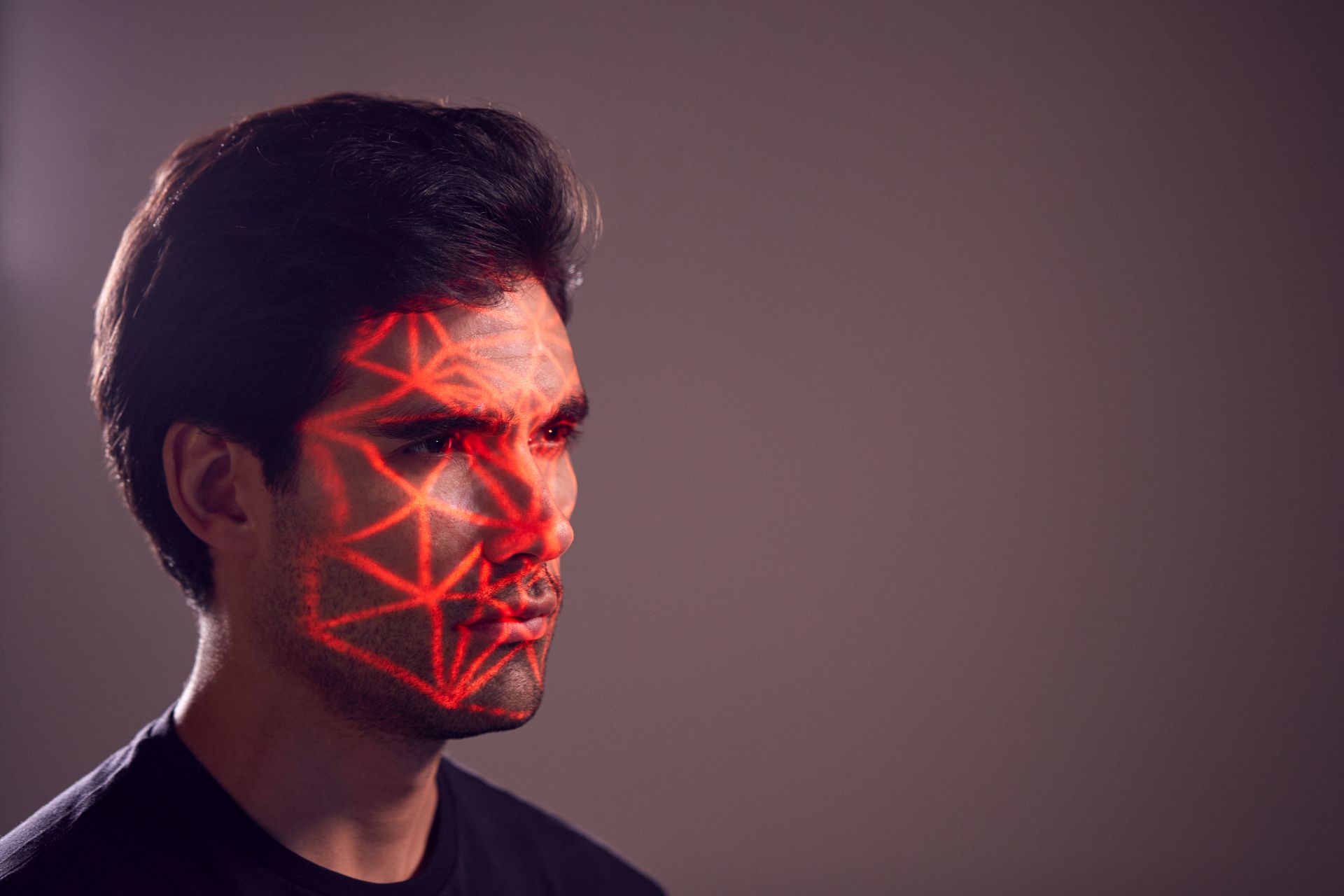
Brandspeak delivers B2C and B2B neuromarketing research that measures subconscious, instinctive reactions to creative assets, experiences and communications.
As a leading brand insight agency, Brandspeak has delivered qualitative, quantitative, ethnographic and neuromarketing research in more than 40 markets worldwide. But we don't just deliver data – we uncover the customer insight you need to:
Understand exactly what makes your customers tick.
Build sector-defining brands.
Create products and services that people can't stop talking about.
Deliver marketing communications that hit the spot – every time.
We bring together qualitative and quantitative expertise to help you create insights that move the business forward.
Explore audience needs, perceptions and behaviours in rich qualitative detail.

Gather deeper insight through multi-day discussions, tasks and real-world activities.

A collaborative forum for exploring existing ideas and developing new concepts.

Capture robust, statistically reliable feedback to quantify attitudes and behaviours at scale.

Measure instinctive attitudes and emotional reactions at scale for clear, reliable evidence.

Identify market trends, competitor activity and category insights using desk research.
As one of the UK's most experienced market research agencies, Brandspeak brings scale, consistency, and depth to every project.
Focus Groups
Years
Quantitative Studies
International Markets
Survey Participants
Languages Covered in Global Research
Depth Interviews
We have the market research services you need no matter where you are on the marketing journey.
Brand tracking research is an ongoing programme that measures how your brand performs over time versus competitors.
Customer segmentation research divides B2C or B2B audiences into smaller groups that share similar needs, motivations, behaviours or characteristics.
Innovation and NPD market research refers to the process of gathering, analysing and interpreting market data to inform the development of new products or services.
Advertising development research is used to examine creative ideas from initial concepts to completed executions to help you communicate effectively and avoid unintended audience interpretation.
Brand development is the strategic process of defining, refining, and enhancing how a brand is perceived by its target audience.
Communications market research explores how audiences notice, process and respond to consumer and stakeholder communication.
Success in the financial services sector demands more than strong products — It requires trust, relevance, and a seamless end-to-end customer experience.
Learn MoreBrandspeak delivers end-to-end food and beverage research to support product and service development, testing, launch and long-term performance across B2C and B2B markets.
Learn MoreOur market research is utilised by colleges, universities and educational institutions to better understand their market, audience and strategy.
Learn MoreBrandspeak is a specialist IT and digital market research agency, supporting UK and global clients.
Learn MoreOur research helps businesses achieve clarity of proposition, seamless experience delivery and the ability to adapt to evolving traveller behaviours.
Learn MoreBrandspeak provides market research services to support UK and global organisations across the NHS, private healthcare, primary care, pharmacy and medical product supply.
Learn MoreBrandspeak is a specialist professional services market research agency, supporting UK and global organisations across Legal, Accountancy, audit firms and more.
Learn MoreOur qualitative, quantitative, ethnographic and behavioural approaches support confident decision-making across physical, digital and omnichannel retail environments.
Learn MoreOur research is available for Telecoms networks, Infrastructure providers Mobile operators, MVNOs and more.
Learn More






Choose a case study to see the solutions and outcomes of our market research.

This well-known, international DIY brand had recently launched its flagship range in the UK and asked Brandspeak to assess the quality of the customer experience it was delivering in store.

The Main Board of this leading UK home and motor insurer wished to speak directly with consumers — to explore and better understand the attitudes, behaviours and unmet needs of their target audience.

This well-known chain of themed bars was responding to brand tracking metrics that suggested it was losing relevance with its core customer base.
This well-known UK financial institution had completed the takeover of an equally well-known competitor. The Board’s challenge was to identify a new brand positioning that would unite two previously separate customer bases.
This well-known, international DIY brand had recently launched its flagship range in the UK and asked Brandspeak to assess the quality of the customer experience it was delivering in store.
This well-known chain of themed bars was responding to brand tracking metrics that suggested it was losing relevance with its core customer base.
The Main Board of this leading UK home and motor insurer wished to speak directly with consumers — to explore and better understand the attitudes, behaviours and unmet needs of their target audience.
This well-known UK financial institution had completed the takeover of an equally well-known competitor. The Board’s challenge was to identify a new brand positioning that would unite two previously separate customer bases.
Read the latest trends, insights and best practices from the world of Market Research. Choose a topic below to read more.

We worked with Brandspeak on a brand awareness project and we were extremely pleased with the quality of service and the process. They understood the complexity of the briefs and asked plenty of questions to make sure they fully understand the objectives. They interacted with all levels of people in our business and understood the differences within the market and suggested ways to tie the research together so it was still comparable. The results were delivered with easy to digest summaries that could be used across the business. We would highly recommend using them.
Lauren Williams

Very informative, easy to work with and a really friendly team. I would recommend Brandspeak to help any business grow. They are great quality for money, help niche sectors and present their findings in an understanding manner. They have provided a brand review, market review post-covid to ensure we are still up to date, along with two very valuable website reviews. Working with them for qualitative and quantities research has a been fantastic for us. Thank you for all your help!
Sarah Twist – Marketing Manager

It's been an absolute pleasure to work with Brandspeak on our qualitative assessment of different ads across 5 EU markets. Throughout this project, Brandspeak have been expert, professional and so flexible with our requirements and timings. The research analysis that they provided us with was extremely valuable and insightful. I look forward to working with them again – highly recommend!
Zanya Fahy

Great service from Brandspeak – highly recommend for thoughtful and detailed brand measurement and tracking.
Georgie Burks, Brand Marketing Lead
Brandspeak have been fantastic to work with. They are a very professional agency who really understand the importance of quality research. Their team were very responsive, knowledgeable and easy to work with and provided us with excellent insights.
Mark Wilson

We wanted to understand how elements of our brand were perceived by consumers and identify opportunities where we could make improvements. Brandspeak clearly understood the brief and worked closely with us to develop a research approach that would answer our questions. The insight has been used to inform the development of our creative and also applied to other areas of our marketing communications. It was a pleasure to work with Brandspeak.
Strategy & Insight Manager | Animal Friends Insurance

Brandspeak helped us with getting invaluable market insights! They showed great flexibility and professionalism throughout the entire process and provided us exactly with the results we needed. I would recommend working with Brandspeak to anyone and anytime.
Tom Suberg
From the moment I contacted Brandspeak I can't thank Jeremy and his team enough. Offering a professional approach they took the time and effort to make the whole process easy and effortless. I highly recommend Brandspeak and look forward to working with them again in the future.
Verity Kimber
From their initial proposal they displayed an understanding of financial services and a clarity of thinking that made them stand out. Since then they have consistently delivered to demanding timescales. But what really sets them apart are their actionable and business focused recommendations which give them the credibility to influence senior internal stakeholders. I have really enjoyed working with them and look forward to doing so again.
Leading life and pensions provider
It is always a pleasure – and a relief! – to work with researchers who get the whole thing – effortlessly... a heartfelt thanks.
DLKW
With offices in London, Bristol, and Birmingham – and partners across the world – we provide global reach with local expertise. Our team is ready to discuss your business challenge and show you what's possible with the right insights.
Get in Touch1st Floor, 239 Kensington High St, London W8 6SN
2430 / 2440 The Quadrant, Aztec W, Bristol BS32 4AQ
The Lewis Building, Bull St, Birmingham B4 6AF